

If you've worked out that your cat is carrying extra weight — whether through a body condition check or a vet visit — the instinct is often to cut food right away. With cats, that approach can actually backfire, sometimes seriously. Feline weight loss has to be gradual and monitored, and it's worth understanding why before you change anything.
Why "just feed less" can be risky
Cats that lose weight too quickly — through a sudden, severe calorie cut or simply not eating — are at risk of a serious liver condition called hepatic lipidosis, where the liver becomes overwhelmed by fat being mobilized faster than it can process. This is a real medical emergency, not a minor side effect, and it's the main reason vets are firm about slow, controlled weight loss rather than an aggressive diet.
The practical takeaway: any weight-loss plan for a cat should involve a vet, especially before and during the first few weeks, and should never involve simply withholding food or guessing at a drastically reduced portion.
The general approach vets recommend
- Get a starting point. A vet visit can confirm your cat's current weight, body condition score, and rule out medical causes of weight gain (some hormonal and metabolic conditions can contribute).
- Set a realistic target weight. This is usually based on your cat's frame and breed, not a generic chart — see our body condition score guide for how that's assessed.
- Reduce calories gradually, not drastically. Veterinary nutrition guidelines, including AAHA's weight management guidelines, favor controlled, moderate calorie reduction combined with monitoring — not a crash diet.
- Weigh regularly, on a schedule. Weekly or biweekly weigh-ins let you and your vet catch the trend early and adjust before it goes too far in either direction.
- Add activity alongside diet changes. Diet and movement work together — a small calorie deficit paired with more daily play is generally safer and more sustainable than diet changes alone.
Practical changes that actually help
- Measure food, don't eyeball it. A kitchen scale or measuring cup for every meal removes a surprising amount of accidental over-feeding — estimating "a scoop" by eye is one of the most common ways extra calories creep in.
- Account for treats. Treats (including table scraps) should generally stay to a small fraction of daily calories — AAHA's consumer guidance suggests keeping treats to around 10% of total daily intake.
- Split meals into more, smaller portions. This can reduce begging behavior and pairs well with puzzle feeders, which also add activity (see our 15 play ideas for puzzle-feeder ideas).
- Increase play, gradually. If your cat has been very sedentary, build up activity over a few weeks rather than expecting long play sessions immediately — see our guide on how much exercise an indoor cat needs.
- Don't change food type and amount at the same time. If you're also switching to a weight-management formula, introduce it gradually over 7–10 days mixed with the old food, separately from any portion changes, to avoid digestive upset.
Choosing food and treats thoughtfully
Not all "diet" or "light" cat foods are created equal, and the right choice depends on your individual cat — which is another reason this works best as a conversation with your vet rather than a label you pick off a shelf. In general, look for a food formulated specifically for weight management rather than simply reducing the portion of your cat's regular food, since cutting portions too far on a regular diet can leave your cat short on essential nutrients even while still being short on satiety. High-protein, lower-calorie-density formulas tend to help cats feel fuller on fewer calories, but your vet can advise on what's appropriate given your cat's age, health history, and current weight.
Treats deserve the same scrutiny. Many commercial cat treats are calorie-dense relative to their size, so a couple of treats can undo a chunk of the day's calorie reduction without you realizing it. Small pieces of plain cooked chicken or a few pieces of your cat's regular kibble set aside from their daily portion can work just as well as a reward during play or training.
What realistic progress looks like
Healthy weight loss in cats is slow by design — often in the range of a small percentage of body weight per month, not per week. If you're using Catletic to log weigh-ins, you'll likely see the trend line move gradually downward over weeks rather than a dramatic drop, and that's exactly what you want to see.
When to call your vet right away
Stop any diet change and contact your vet promptly if your cat stops eating for more than 24 hours, seems lethargic, starts vomiting, has diarrhea, or shows any signs of distress. These can be early signs that weight loss is happening too fast or that something else is going on — this is not something to manage by waiting it out.
Sources
- AAHA 2021 Nutrition and Weight Management Guidelines
- Cornell Feline Health Center — Fat cats: how do management approaches measure up?
- International Cat Care — Obesity in cats
This article is for general information and is not veterinary advice.

Get your cat fit & happy
Daily play missions, an AI body check, and a coach in your pocket.
More on Weight & Nutrition
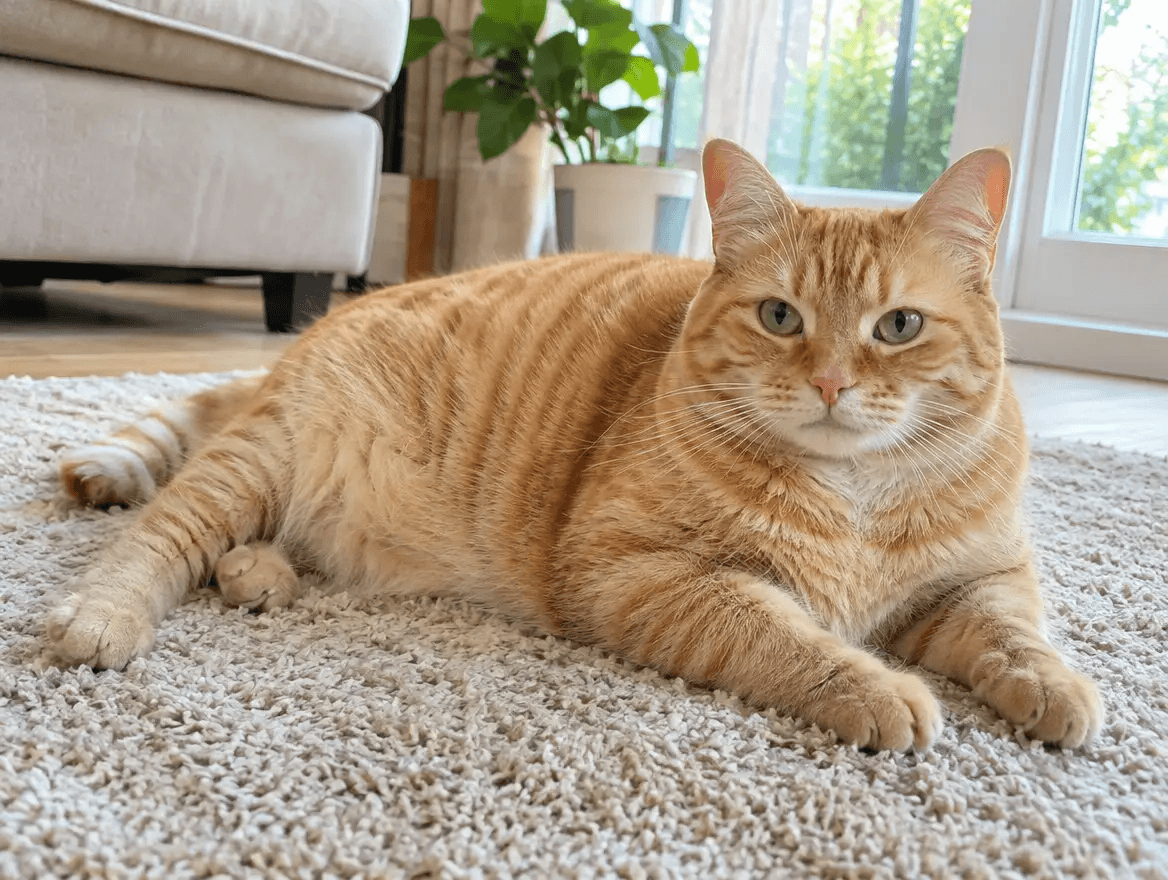
Is My Cat Overweight? Understanding the Body Condition Score
The scale alone doesn't tell the whole story. Here's how vets actually assess a cat's weight — and how to do a simple version at home.
5 min read
How Much Exercise Does an Indoor Cat Need?
Indoor cats don't get a daily walk, so it's easy to underestimate how much movement they actually need. Here's a practical, realistic guide.
4 min read
15 Play Ideas to Keep Your Cat Active at Home
No yard, no problem. Fifteen simple ways to get your cat moving, hunting, and genuinely tired — using things you probably already own.
5 min read